Bunion Hong Kong is a growing concern among individuals who experience foot discomfort due to lifestyle habits, footwear choices, and prolonged periods of standing or walking in urban environments. A bunion, medically known as hallux valgus, is a bony bump that forms at the base of the big toe, causing the toe to lean toward the others. In a fast-paced and densely populated city like Hong Kong, where walking is a primary mode of transportation and fashion often emphasizes narrow or high-heeled shoes, bunions have become a common issue affecting people of all ages bunion hk. Understanding the condition, its causes, and the available treatment options is essential for managing discomfort and maintaining an active lifestyle.
The development of bunion Hong Kong cases can often be traced back to a combination of genetic predisposition and external factors. Many individuals inherit a foot structure that makes them more susceptible to bunions, such as flat feet or overly flexible joints. However, lifestyle plays a significant role in worsening the condition. Tight, narrow shoes and high heels, which are frequently worn in professional and social settings, can put excessive pressure on the toes. Over time, this pressure forces the big toe out of alignment, leading to the formation of a bunion. In a city where appearance and professionalism are highly valued, many individuals continue wearing such footwear despite discomfort, unintentionally accelerating the progression of the condition.
Living with bunion Hong Kong can have a considerable impact on daily life. Initially, the condition may present as a mild inconvenience, with occasional pain or swelling around the big toe joint. However, as the bunion grows, the discomfort can become more persistent and severe. Walking long distances, climbing stairs, or even standing for extended periods can become challenging. This is particularly problematic in Hong Kong, where public transportation systems often require walking between stations and navigating crowded streets. Over time, individuals may find themselves avoiding physical activities they once enjoyed, leading to a decrease in overall mobility and quality of life.
Beyond physical discomfort, bunion Hong Kong can also affect mental well-being. The visible deformity of the foot may cause self-consciousness, especially in social situations where open-toed shoes are worn. People may feel embarrassed about the appearance of their feet, leading to reduced confidence and reluctance to participate in activities like swimming or beach outings. This psychological aspect is often overlooked but is an important part of the overall impact of the condition.
Fortunately, there are several approaches to managing bunion Hong Kong, ranging from conservative treatments to surgical interventions. In the early stages, non-invasive methods can be highly effective in reducing pain and slowing the progression of the bunion. One of the simplest and most important changes is choosing appropriate footwear. Shoes with a wide toe box, good arch support, and low heels can significantly reduce pressure on the affected area. Orthotic inserts may also be recommended to provide additional support and improve foot alignment.
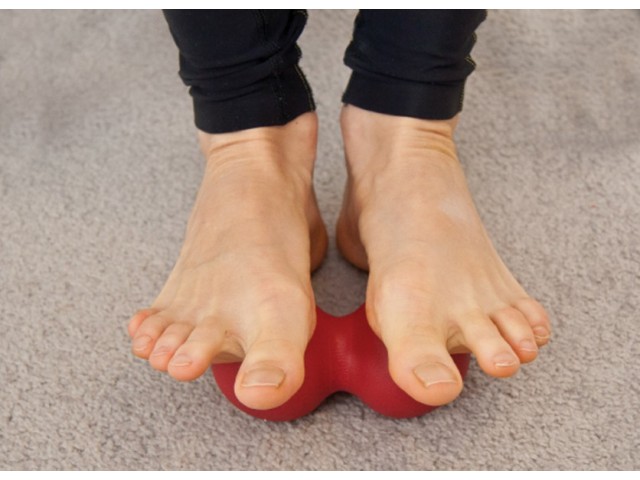
Physical therapy exercises can play a valuable role in managing bunion Hong Kong. Stretching and strengthening the muscles around the foot can help maintain flexibility and reduce discomfort. Simple exercises, such as toe stretches and foot rolls, can be performed at home and incorporated into daily routines. Additionally, applying ice packs to the affected area and using over-the-counter pain relief medications can help alleviate inflammation and discomfort during flare-ups.
In cases where conservative treatments are not sufficient, medical intervention may be necessary. Consulting a podiatrist or orthopedic specialist is crucial for a proper diagnosis and treatment plan. In Hong Kong, advanced medical facilities offer a range of options, including minimally invasive surgical procedures. These procedures aim to realign the bones, correct the deformity, and relieve pain. Recovery times have improved significantly with modern techniques, allowing patients to return to their normal activities more quickly than in the past.
Preventing bunion Hong Kong is also an important consideration, especially for individuals who are at higher risk due to genetic factors or occupational demands. Being mindful of footwear choices from an early age can make a significant difference. Avoiding shoes that squeeze the toes and opting for comfortable, well-fitted options can help maintain proper foot alignment. Regular foot care, including checking for early signs of bunions and seeking professional advice when needed, can prevent the condition from worsening.
Education and awareness are key in addressing bunion Hong Kong. Many people tend to ignore early symptoms, assuming that discomfort is a normal part of daily life in a busy city. However, early intervention can prevent complications and reduce the need for more invasive treatments later on. Public health campaigns and workplace wellness programs can play a role in promoting foot health and encouraging individuals to prioritize comfort alongside style.
In conclusion, bunion Hong Kong is more than just a minor foot issue; it is a condition that can significantly affect physical comfort, mobility, and overall well-being. By understanding the causes and taking proactive steps to manage and prevent the condition, individuals can maintain an active and fulfilling lifestyle. Whether through simple changes in footwear, regular exercise, or seeking professional medical care, there are effective ways to address bunions and reduce their impact. As awareness continues to grow, more people in Hong Kong can take control of their foot health and enjoy greater comfort in their daily lives.